
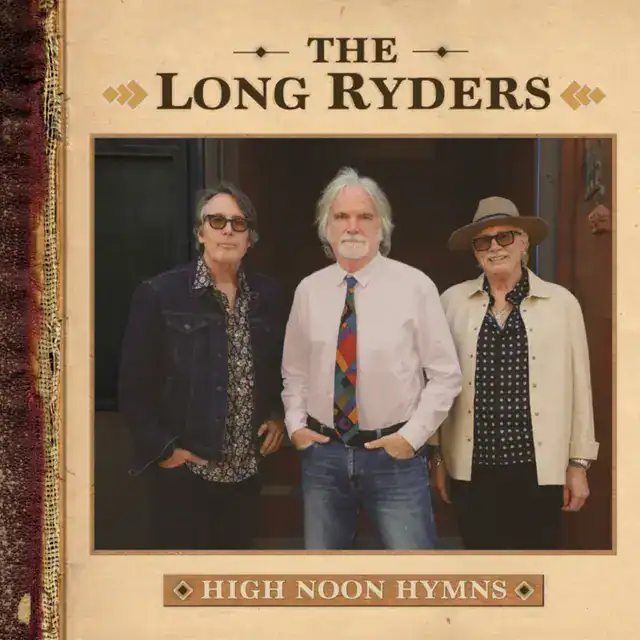
The Long Ryders – High Noon Hymns (Cherry Red) (13th Floor Album Review)
The Long Ryders return with High Noon Hymns, a country rock album that begins with the feeling of walking into a bar mid-set.
Four Winters Away is already in full flight as guitars, drums and vocals arrive together at speed. Drums crash, bass locks into the groove and chiming guitars weave around the vocal line as the band shift tone and intensity within the opening minutes. It is energetic, purposeful playing, the sound of a band already locked together before the listener has even entered the room.
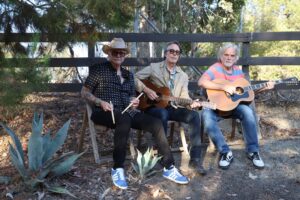
Formed in Los Angeles in the early 1980s, The Long Ryders emerged from the Paisley Underground scene with a sound that fused Byrds-inspired folk rock with the urgency of the post-punk era. The core of the band remains vocalist and guitarist Sid Griffin, guitarist Stephen McCarthy and drummer Greg Sowders. Since the passing of original bassist Tom Stevens in 2021, McCarthy shares bass duties here with the Old ‘97s’ Murry Hammond; while guests include X’s DJ Bonebrake on vibraphone and teenage mandolin virtuoso Wyatt Ellis.
The group’s defining album State Of Our Union (1985) blended country storytelling with a sharp awareness of American politics and identity. After a thirty year gap the band resumed recording with Psychedelic Country Soul in 2019, beginning what has effectively become a second phase of their career. High Noon Hymns continues that return, revisiting many of those same concerns with the perspective of passing time.
A sense of momentum runs through much of the album. Chiming guitars remain central to The Long Ryders’ sound, drawing on the folk rock lineage of The Byrds, yet here those ringing tones sit on top of a rhythm section that plays with real weight and drive. The closest comparison may be Flying Burrito Brothers or early R.E.M. as they often sounded on stage rather than on record. Throughout the album guitar lines ring out while bass and drums push the songs forward with muscular purpose.
Several songs lean fully into that energy. Stand A Little Further In The Fire opens with a gritty guitar line before a second guitar echoes it and the drums kick in behind. From there the rhythm section pounds steadily while the guitars underline the intensity of the lyrics aimed at “the liar-in-chief”. The performance feels serious and determined, anger present but measured rather than destructive.
That driving momentum returns in (How How How) How Do You Wanna Be Loved, where a pumping drum beat and insistent guitar chords create a restless groove that borders on punk in spirit. The song pushes relentlessly forward as the vocals rise above the band before the music finally bursts open at the close. A Belief In Birds carries a similar sense of urgency, steady drums and rumbling bass locking the band into a groove that gathers intensity as the track unfolds.
Elsewhere the band allow the songs to open out and reveal themselves gradually. World Without Fear begins with bursts of guitar before settling into a pulsing rhythm beneath clear vocals. The tempo is more restrained, and across its five minutes the arrangement broadens, the language becoming more dramatic but always hopeful, while the band hold the music steady beneath it.
That contrast between urgency and reflection becomes one of the album’s defining strengths. Knoxville On The Line slows the pace considerably. Acoustic guitar rings clearly as a gentle shuffle of percussion begins, creating space for a vocal that carries a sense of distance and regret. The lyric’s suggestion of “something I left behind” deepens the mood of reflection.
A Hymn For The City Of Angels expands that atmosphere further. Bass notes reverberate beneath ringing guitar lines while the vocal emerges gradually from the arrangement. Echoing guitar tones and steady rhythm give the song a sense of scale that grows as it unfolds, becoming one of the album’s most atmospheric moments.
The Long Ryders continue to broaden the palette across the second half of the record. Wanted Man In Arkansas introduces mandolin over slower twanging guitars, the percussion settling into a gentle shuffle that allows the vocal space to tell its story of a man on the run. That lighter tone carries into Rain In Your Eyes, where ringing guitars and steady drums create a relaxed country soul groove.
By the time Say Goodbye To Crying arrives the album has moved fully into reflective territory. Echoing guitar lines circle patiently while the lyric looks back on time passing and seasons changing. The arrangement remains calm and measured as guitars wind around the vocal and the drums shuffle quietly toward the close.
The album ends with Bob Dylan’s Forever Young. Ringing guitars, mandolin and steady bass support a vocal that feels warm and welcoming, the melody unfolding slowly as the band settle into a gentle hopeful final rhythm.
Across High Noon Hymns, The Long Ryders sound both purposeful and assured. Interlocking guitars provide the colour, but the rhythm section supplies the muscle, giving the music a drive that balances urgency with reflection. Four decades after their earliest recordings, the band continue to draw on the traditions of American country rock while playing with clarity and conviction. These songs face the present moment squarely, yet suggest that America may still have something worth holding onto.
John Bradbury
High Noon Hymns is out today on Cherry Red Records
